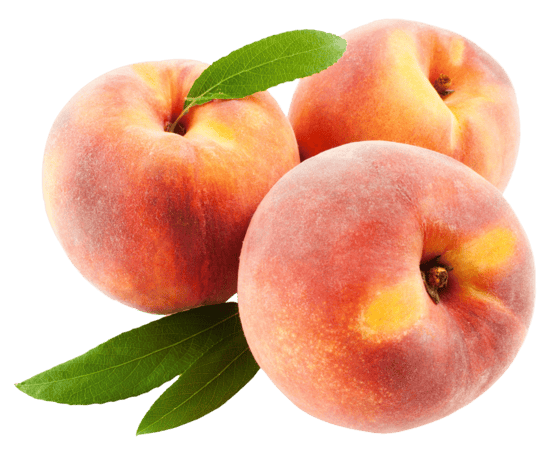

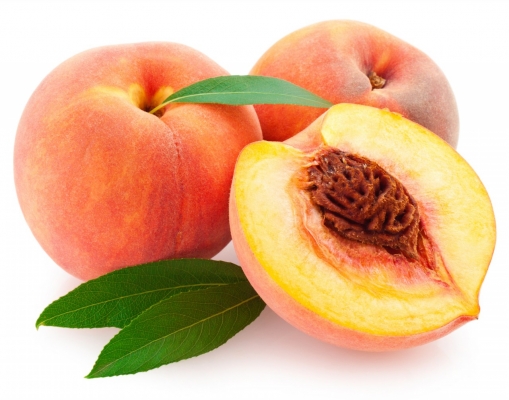
Close your eyes and imagine the perfect peach. Not just any peach, but one that feels like a gentle summer morning in Lucknow. Its skin is a blushing canvas of crimson and gold, with a delicate fuzz that promises what’s inside is pure, unadulterated nature. Now, take a bite. The flesh isn’t just sweet; it’s a symphony of honeyed nectar that bursts in your mouth, so juicy you have to lean forward to catch every drop. This isn’t a fantasy; this is the Sharbati Peach (Lucknow), and it’s a fruit that deserves a standing ovation.
While peaches are grown across India’s northern hills, the variety that comes from the orchards around Lucknow in Uttar Pradesh holds a special, almost mythical status. It’s not just a fruit; it’s an experience, a taste of Awadhi royalty that has been passed down through generations.
A Peach by Many Names: The Varieties Within
When we say “Sharbati Peach,” we’re often referring to a couple of superstar varieties that thrive in the Gangetic plains’ climate. The name “Sharbati” itself translates to “sweet and juicy,” which is the defining characteristic.
- The Classic Sharbati (Flordasun): This is the early bird of the peach world, typically ripening by mid-April. It’s a beautiful, medium-sized fruit with a vibrant red blush over a yellow background. Its flesh is firm yet incredibly juicy, striking the perfect balance between sweetness and a hint of refreshing acidity. It’s the variety that first announces the arrival of peach season in North India.
- The Later, Larger Cousin (Shan-i-Punjab): As the Flordasun season winds down, the Shan-i-Punjab variety takes centre stage, ripening around May. These peaches are often larger, with a more pronounced sweetness and a slightly softer texture. They are the true dessert peaches, perfect for eating fresh or turning into decadent jams and desserts.
Both varieties are gifts of agricultural science, developed to adapt beautifully to the Indian climate, but it’s the soil and care around Lucknow that gives them their distinctive, unforgettable flavour.
More Than Just a Sweet Treat: A Basket of Health Benefits
This peach isn’t just a delight for your taste buds; it’s a powerhouse of wellness. Calling it a “healthy snack” is an understatement. Here’s why making Sharbati peaches a seasonal ritual is a fantastic idea for your health:
- A Hydration Hero: Composed of over 85% water, biting into a Sharbati peach on a hot summer day is nature’s way of keeping you cool and hydrated. It replenishes lost fluids and essential electrolytes.
- A Fibre-Filled Friend: Packed with dietary fibre, it aids digestion, prevents constipation, and helps you feel full for longer, making it a perfect ally for weight management.
- Skin’s Best Friend: The rich cocktail of Vitamins A and C works wonders for your skin. Vitamin C boosts collagen production for elasticity, while Vitamin A helps repair skin tissues, giving you a natural glow.
- Immunity Booster: That same Vitamin C is a potent antioxidant that strengthens your immune system, helping your body fight off common infections.
- A Vision Protector: The beta-carotene (which converts to Vitamin A) in peaches is essential for maintaining good eyesight and preventing age-related macular degeneration.
- Heart-Healthy: The potassium content helps regulate blood pressure, while the fibre helps manage cholesterol levels, contributing to a healthier cardiovascular system.
Why You Should Make Room for this Peach
Beyond the science, the reason to eat Sharbati peaches is simple: to experience pure, seasonal joy. In a world of imported, cold-stored fruits that often taste bland, the Sharbati peach is a reminder of what real fruit should taste like. It’s a short, glorious season—from April to June—that teaches us to appreciate the fleeting beauty of nature’s bounty. Eating it is an act of supporting local farmers and sustainable agriculture. Plus, its incredible versatility—from fresh eating, to salads, grilling, chutneys, and desserts—means you’ll never get bored.
The Orchard of Opportunity: A Farmer’s Guide to Profiting from Sharbati Peaches
For farmers, especially those in the plains of Uttar Pradesh, Bihar, and Punjab, the Sharbati peach isn’t just a fruit; it’s a promising and profitable venture. Here’s how cultivating this crop can lead to a fruitful harvest, both literally and financially.
1. High Yield and Early Bearing:
Unlike many other fruit trees that take years to bear fruit, peach trees are precocious. Grafted plants can start yielding a commercial harvest as early as the second or third year. This means a quicker return on investment compared to mangoes or lychees.
2. Excellent Market Demand and Price:
The demand for good-quality Sharbati peaches is immense. They fetch a premium price in wholesale markets (mandis) across North India, especially during the early season. The short harvest window creates a sense of urgency among buyers, keeping prices strong. A well-managed orchard can yield 15-20 tonnes per hectare, making it a highly lucrative crop.
3. Adaptability and Lower Water Requirement:
Sharbati peach varieties are specifically bred for the subtropics. They have a low chilling requirement (the cold period needed for flowering), which the North Indian winter adequately provides. Furthermore, compared to water-guzzling crops like sugarcane, peaches are relatively less thirsty, making them a more sustainable choice.
4. Profit Maximisation Strategies for Farmers:
- Go for High-Density Planting (HDP): Using modern techniques, farmers can plant more trees per acre, significantly increasing the total yield. Dwarf rootstocks are available that make this possible.
- Focus on Quality: The real profit lies in quality. Proper pruning, timely thinning of fruits, and integrated pest management (IPM) result in larger, blemish-free peaches that command the highest prices in the market.
- Explore Value Addition: Don’t just sell raw fruit. Farmers’ cooperatives or enterprising individuals can set up small units for making jams, jellies, chutneys, or canned peaches. This can dramatically increase earnings, especially for slightly imperfect fruit that wouldn’t sell for a premium fresh.
- Tap into Direct Sales: With the rise of organic and farm-fresh delivery services, farmers can explore selling directly to consumers or retailers, bypassing the traditional mandi system to capture a larger share of the profit.
The Final Takeaway
The Sharbati peach is more than a seasonal fruit; it’s a narrative of taste, health, and agricultural prosperity. For the eater, it’s a delicious step towards well-being. For the farmer, it’s a viable path to a secure income. So this summer, seek out the true Sharbati peach. Savour its juice, celebrate its goodness, and in doing so, you become part of a beautiful cycle that sustains both our health and our hardworking farmers.