
In the grand, colourful parade of bananas, we’ve met the global titan, the festive star, and the dependable all-rounder. Now, let’s turn our attention to a smaller, more delicate figure hiding in the bunch. This one doesn’t shout for attention. It’s petite, slender, and almost shy.
But as the old saying goes, the best things come in small packages.
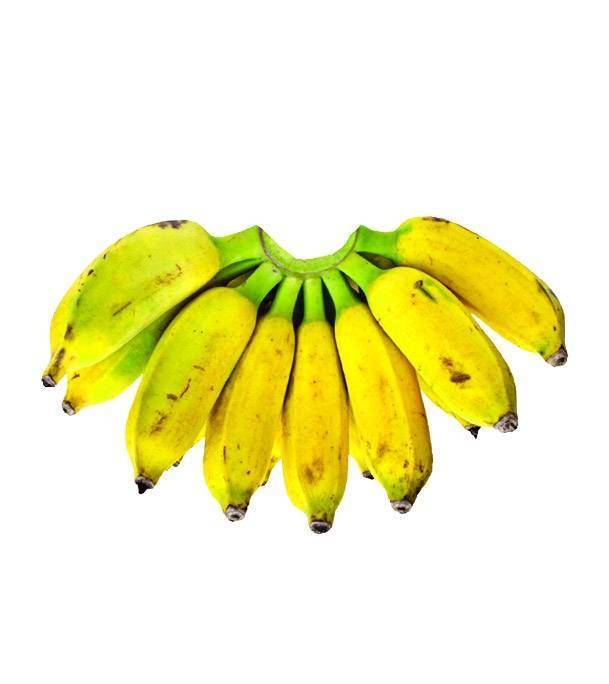
Meet Chinia, often lovingly called Chini Champa – which literally translates to “Sugar Flower.” This isn’t just a cute name; it’s a promise. This pocket-sized powerhouse is here to prove that immense flavour and concentrated nutrition can be found in the most unassuming of forms.
A Banana for Every Occasion: Where Chinia Fits In
While Chinia is in a league of its own, understanding its family helps us appreciate its unique place.
1. The Petite Connoisseur: Chinia (Chini Champa)
- The Personality: Imagine the most delicate, elegant member of the banana family. It’s slim, about 4-5 inches long, with a thin, bright yellow skin that often bears a few delicate black specks when perfectly ripe.
- The Taste & Use: The name says it all. Biting into a Chinia is like tasting liquid honey with a floral, tropical undertone. Its texture is incredibly soft and creamy. This is not a cooking banana; this is a dessert banana. It is meant to be savoured slowly, all on its own, as a true culinary experience. It’s the perfect finale to a meal.
2. The Aromatic King: Malbhog
- The Personality: The fragrant festival star. More robust than the Chinia, with a potent aroma that fills the room.
- The Taste & Use: While also incredibly sweet and aromatic, Malbhog is larger and more versatile for cooking. Chinia is its more refined, exclusively dessert-oriented cousin.
3. The Everyday Hero: Basrai
- The Personality: The reliable, sturdy all-rounder. It’s about substance and consistency.
- The Taste & Use: Basrai is your go-to for smoothies and sandwiches. Chinia is the banana you enjoy with a cup of tea, focusing on nothing but its exquisite flavour.
Why Your Body Will Thank You for This Tiny Treat
Don’t be deceived by its size. The Chinia banana is a densely packed nutrient bomb.
- Concentrated Energy Source: Its small size belies a high density of natural sugars (fructose and glucose), providing a quick and easily digestible energy boost. It’s the perfect pre-yoga snack or a natural pick-me-up for children after school.
- A Gentle Giant for Gut Health: Despite its sweetness, it contains a good amount of dietary fibre, which aids in smooth digestion and promotes a healthy gut microbiome. Its soft texture is also gentle on sensitive stomachs.
- Packed with Potassium & Micronutrients: Like its larger cousins, it is a fantastic source of potassium, essential for heart health and blood pressure regulation. It also brings a host of vitamins, including Vitamin C and B6, to the table in a concentrated form.
- A Happier Mind: Bananas are natural mood enhancers. Chinia, with its delightful taste and nutrient profile, helps in the production of serotonin, making it a delicious little tool for combating stress and brightening your day.
- The Perfect Portion: Its small size makes it the ideal portion-controlled treat. It satisfies a sweet tooth naturally, without the guilt of processed sugars, making it excellent for weight management.
So, why should you seek out Chinia? Because eating one is an act of mindful indulgence. It’s a reminder to slow down and appreciate the pure, unadulterated sweetness that nature has to offer, all while giving your body a powerful dose of wellness.
For the Farmer: Cultivating a Niche Luxury
Growing Chinia isn’t about competing in the bulk market with Grand Naine. It’s about creating a premium, high-value product for a discerning audience.
1. The “Premium & Artisanal” Advantage:
Chinia is a niche product. You are not selling bananas; you are selling a “gourmet experience.” This allows you to command a significantly higher price per kilo compared to common varieties. Market it as “Heirloom Honey Bananas” or “Artisanal Dessert Bananas.”
2. Target the Right Audience:
Your customers are:
- Health-conscious urbanites looking for unique, natural foods.
- High-end fruit boutiques and organic stores.
- Gourmet chefs and hotels are looking for exceptional dessert ingredients.
- Parents seeking the healthiest, most delicious snacks for their children.
3. Direct-to-Consumer Sales & Branding:
Leverage farmers’ markets and social media to tell the story of Chinia. Its unique name (“Sugar Flower”) and appearance are its biggest marketing assets. Sell directly to consumers to capture the full retail value, building a brand around quality and taste rather than volume.
4. Sustainable & Eco-Friendly Cultivation:
Chinia plants are often well-adapted to local conditions and can be grown with fewer chemical inputs as part of an integrated or organic farming system. This not only reduces costs but also allows you to tap into the lucrative organic certification market, further boosting your profits.
5. The “By-Product” Bonus:
While the fruit is the main event, the slender plant still offers value. The leaves, though smaller, are perfect for wrapping small, delicate snacks (like idlis or sweets) for a premium touch. The flower remains a nutritious and sought-after delicacy.
The Final Peel
The Chinia banana is a gentle rebellion against the notion that bigger is better. It is a celebration of flavour, a testament to the diversity hidden within our indigenous crops, and a reminder that true sweetness needs no advertisement.
So, the next time you’re at a local market, look past the giant bunches. Seek out the small, slender fingers with the delicate skin. Buy a bunch of Chinia, peel one slowly, and let its honeyed creaminess transport you. You’ll be supporting biodiversity, empowering local farmers, and treating yourself to one of nature’s most perfectly packaged delights.