
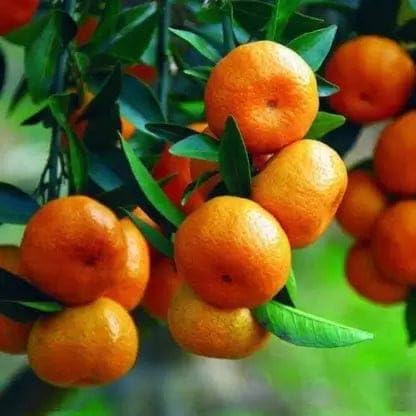
High in the misty, rolling hills of Darjeeling, where the air is crisp and the clouds kiss the mountain tops, grows a citrus gem that reflects the very essence of its home. This is the Darjeeling Orange, a fruit we proudly call ‘The Hill Star.’ It doesn’t boast the loud sweetness of its plains-grown cousins; instead, it offers a sophisticated, complex flavour that is as unique and captivating as the region itself.
But what makes this high-altitude orange so special? Is it the refreshing tang, the incredible health pedigree, or the resilient livelihood it offers to the mountain farmers?
Let’s embark on a journey to discover the story of this extraordinary fruit.
What is a Darjeeling Orange?
The Darjeeling Orange is not your typical, uniformly sweet orange. It’s a variety of mandarin orange (Citrus reticulata) that has adapted to the cool, mountainous climate. This adaptation results in a fruit that is often smaller, easier to peel, and has a vibrant, tangerine-like colour. Its flavour profile is a delightful symphony – a burst of initial sweetness quickly followed by a sharp, refreshing tang that lingers pleasantly. This unique balance is a direct gift from the terroir of the Darjeeling hills.
The season for this Hill Star is relatively short, typically from late October to December, making its appearance a cherished, fleeting gift.
Part 1: For the Food Connoisseur – A Taste of the Mountains
While often grouped together, the Darjeeling Orange has local varieties that have been passed down through generations. The two most prominent types are:
- The Darjeeling Mandarin (Sikkim Mandarin): This is the classic. Small, loose-skinned, and incredibly easy to peel. The segments separate perfectly, offering a juicy, aromatic flesh with that signature sweet-tart balance. It’s a fruit that demands to be enjoyed fresh, segment by segment.
- The Kumaon/Mandarin Variants: Grown in the neighbouring hilly regions, these share similar characteristics and are often part of the same “Hill Orange” family. They are known for their intense aroma and high juice content.
How to Enjoy Them:
The Darjeeling Orange is best experienced in its pure, unadulterated form. Its complex flavour is a delight on its own. However, its sharpness makes it a fantastic ingredient:
- In Salads: Its segments add a juicy, tangy punch to green and fruit salads.
- As a Marinade: The acidity and flavour make it an excellent base for marinades for meats and grilled vegetables.
- Fresh Juice: A glass of fresh Darjeeling orange juice is an invigorating, wake-up call for the senses.
Part 2: For the Health-Conscious – A High-Altitude Health Elixir
Eating a Darjeeling Orange is like consuming a concentrated dose of mountain wellness. The challenging growing conditions seem to pack more nutrients into every bite. Here’s why it’s a health powerhouse:
- An Immunity Fortress: Like all citrus, it’s brimming with Vitamin C. In the chilly hills, this nutrient is crucial for fighting off seasonal ailments. The high antioxidant content also helps reduce inflammation in the body.
- A Natural Digestive Aid: The combination of dietary fibre and the fruit’s natural acids promotes healthy digestion and can help soothe an upset stomach. It’s a natural remedy for indigestion.
- Skin Rejuvenator: The high levels of Vitamin C and antioxidants are vital for collagen synthesis, helping to maintain skin elasticity and fight the signs of aging. The mountain sun can be harsh, and this fruit helps repair and protect.
- Rich in Potassium for Heart Health: It contains a good amount of potassium, a mineral essential for maintaining healthy blood pressure and proper heart function, counteracting the effects of sodium.
- Low-Calorie, High-Fibre Snack: It’s the perfect snack for weight management. The fibre keeps you full, the natural sugars provide a clean energy boost without a crash, and it’s incredibly low in calories.
- Stress Buster & Mood Lifter: The vibrant colour, refreshing aroma, and act of peeling and eating a mindful snack can be a great stress reliever. The nutrients also play a role in regulating neurotransmitters linked to mood.
In short, the Darjeeling Orange is a holistic health fruit, nourishing both the body and the mind with its pristine, high-altitude goodness.
Part 3: For the Hill Farmer – Cultivating a Sustainable Legacy
Farming in the hills is an act of courage and resilience. For the farmers of Darjeeling and surrounding regions, the orange orchards are not just a source of income; they are a way of life that preserves the ecology of the slopes. Here’s how growing Darjeeling Oranges can be a profitable and sustainable venture:
- The Power of a GI Tag (or Potential for One): Securing a Geographical Indication (GI) tag for the Darjeeling Orange is a game-changer. It legally protects the name and certifies its unique origin, allowing it to command a significant premium in the market, much like Darjeeling tea.
- The Premium & Niche Market: The Darjeeling Orange is not a mass-market fruit. Its short season, unique flavour, and challenging terrain make it a premium, niche product. This allows farmers to target discerning consumers in urban centres who are willing to pay more for authenticity, quality, and a story.
- Agri-Tourism & Direct Sales: Darjeeling is a premier tourist destination. Farmers can leverage this by offering “Orange Trail” tours, allowing visitors to pick their own fruit, learn about the cultivation process, and buy directly from the orchard. This eliminates middlemen and increases profit margins dramatically.
- Value Addition is Key: Given the fruit’s distinct flavour, value-added products can be highly lucrative.
- Artisanal Marmalade: The perfect balance of sweet and tart makes for an exceptional, high-end marmalade that can be sold to boutique stores and hotels.
- Orange Honey: Beekeeping in orange orchards produces a uniquely flavoured honey that can fetch a high price.
- Candied Orange Peel & Chocolate: A gourmet product that reduces waste and creates a new revenue stream.
- Essential Oils: The fragrant peel is ideal for producing high-quality essential oil for aromatherapy and cosmetics.
- Organic by Default, Certified for Premium: Many hill farms already use minimal chemicals. Obtaining organic certification can further enhance the market value of the fruit, both domestically and for export.
- Community & Cooperative Models: By forming Farmer-Producer Organisations (FPOs), smallholder farmers can pool their produce for better branding, marketing, and access to larger markets and export channels, ensuring no farmer is left behind.
The Farmer’s Bottom Line: Cultivating Darjeeling Orange is about embracing its premium, artisanal identity. By focusing on quality, storytelling, direct-to-consumer models, and unique value-added products, hill farmers can transform their orchards into sustainable and profitable enterprises that preserve their beautiful landscape.
The Final Segment
The Darjeeling Orange is more than just a fruit; it’s a taste of the Himalayas. It’s a testament to the resilience of nature and the farmers who work in harmony with it. For us, enjoying one is a rare and delightful experience. For the hill farmers, it’s a source of pride and a promise of prosperity.
So, the next time you come across this Hill Star, savour it slowly. You’re not just eating an orange; you’re tasting the misty mountains and supporting a community that guards them.
Choose Darjeeling Orange. For a zestful life and a sustainable future for the hills.