
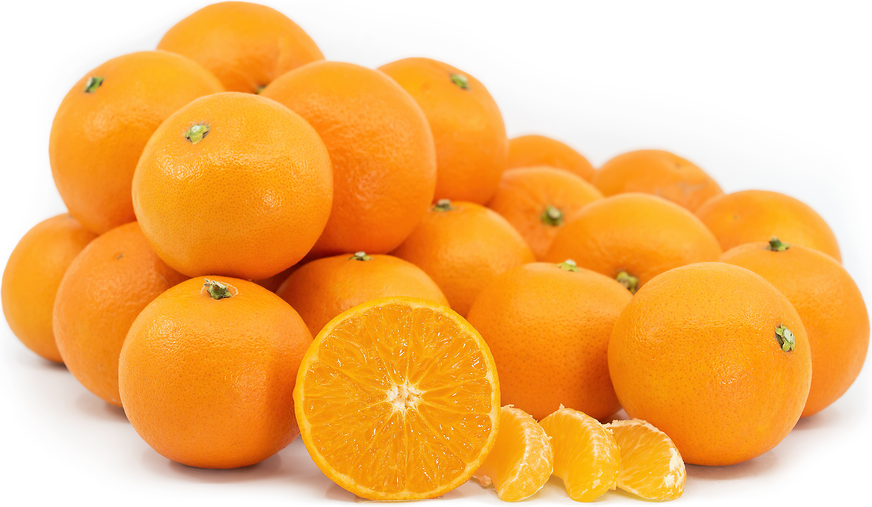
While we rightly celebrate the royal Kinnow, the classic Nagpur Santra, and the sophisticated Darjeeling Orange, there exists a world of quiet, unassuming champions. These are the Local Mandarins—the fruits without a famous name, but with a soul of pure gold. We call them ‘The Village Gems,’ and they are the hidden treasures found in weekly village markets, on roadside carts, and in the backyards of our childhood memories.
They might be small, sometimes have a few seeds, and their skin may not be a perfect, uniform orange. But what they lack in glamour, they more than make up for in an explosive, authentic flavour that no commercially perfect fruit can ever replicate.
Let’s take a moment to celebrate these humble heroes.
What Are Local Mandarins?
Local Mandarins are the heirloom varieties of citrus that have been grown in specific regions of India for generations. They are not a single type, but a diverse family of fruits, each adapted to its local soil and climate. You won’t find them in glossy supermarket catalogues, but you’ll know them by their incredible fragrance and the genuine smile of the farmer who sells them.
From the Coorg Mandarins of Karnataka to the Ladaku oranges of Ladakh and the countless unnamed varieties in the foothills of Himachal, Uttarakhand, and the Northeast, these gems are the true taste of India’s agrarian diversity.
Part 1: For the Food Explorer – A Journey of Authentic Flavours
The beauty of Local Mandarins lies in their stunning diversity. Each variety is a surprise package:
- The Tiny Powerhouses: Some are small enough to fit in the palm of your hand, but don’t let their size fool you. They are often the sweetest and most potent, with a flavour that bursts in your mouth.
- The Sweet-and-Sour Stars: Others strike a perfect, thrilling balance between honey-like sweetness and a sharp, tangy kick that makes your taste buds stand at attention.
- The Aromatic Wonders: Many local varieties have an intoxicating fragrance. Just peeling one can fill an entire room with a calming, citrusy scent that is pure therapy.
How to Enjoy Them:
There’s no wrong way to eat a Village Gem.
- Fresh & Simple: Enjoy them as nature intended. The act of peeling and sharing a basket of these mandarins is a ritual of connection.
- The Ultimate Travel Snack: Their loose skin makes them easy to peel without a knife, making them the perfect, healthy snack on a road trip or hike.
- Grandma’s Remedies: They are often the star ingredient in traditional homemade concoctions for colds and sore throats, mixed with honey and ginger.
Part 2: For the Health-Conscious – Nature’s Untainted Nectar
Because they are often grown with minimal chemical intervention, almost like they are in our backyards, these Local Mandarins are as close to pure, unadulterated nutrition as you can get.
- Immune System’s Best Friend: They are bursting with Vitamin C. This isn’t the synthetic kind; it’s the natural, highly bioavailable form that your body absorbs effortlessly to build a robust immune system.
- Digestive Health Promoters: Rich in dietary fibre, they aid in smooth digestion and prevent constipation. The natural acids can also help stimulate digestive juices.
- Packed with Antioxidants: Their deep, sometimes reddish-orange hue comes from antioxidants like beta-carotene and other phytochemicals that fight oxidative stress and reduce inflammation in the body.
- A Boon for Heart Health: The combination of fibre, potassium, and antioxidants helps maintain healthy blood pressure and cholesterol levels, supporting overall cardiovascular health.
- Hydration and Vitality: Their high water content makes them excellent for hydration, while the natural sugars provide a quick and healthy energy boost without a crash.
- Rich in Trace Minerals: Being grown in diverse soils, they often contain a wider range of trace minerals like magnesium and manganese, which are crucial for various bodily functions.
In essence, eating a local mandarin is like taking a multivitamin crafted by nature itself—effective, balanced, and without any side effects.
Part 3: For the Smallholder Farmer – Growing Resilience and Profit
For millions of small and marginal farmers across India, these local mandarin trees are a lifeline. They are resilient, low-maintenance, and a source of crucial supplementary income. Here’s how cultivating these Village Gems can be a smart and sustainable strategy:
- Low Investment, High Resilience: Local varieties are naturally adapted to the local environment. They are often more drought-resistant, pest-tolerant, and require far fewer expensive chemical inputs (fertilisers, pesticides) than high-yield hybrid varieties. This makes them a low-risk, cost-effective crop.
- Diversification and Food Security: For a farmer, not putting all their eggs in one basket is key. A grove of local mandarins provides a reliable source of food and income alongside other crops, ensuring financial stability.
- The “Localvore” Premium: There is a growing movement of consumers seeking out authentic, local, and indigenous produce. By marketing them as “Heirloom Mandarins” or “Desi Santra,” farmers can tap into this niche market and command a better price than they would get from a bulk wholesale dealer.
- Direct-to-Consumer Sales: The best way to get value is to eliminate middlemen.
- Weekly Village Markets (Haats): Selling directly allows farmers to keep 100% of the profit.
- Roadside Stalls: A simple stall on a busy highway can attract tourists and passersby looking for a fresh, local experience.
- Farm-Gate Sales: Building a reputation for quality can attract customers directly to the farm.
- Value Addition at a Small Scale: Farmers or local women’s self-help groups can create high-value products without massive investment.
- Traditional Marmalades and Jams: Homemade, small-batch preserves have a unique charm and can be sold locally or online.
- Pickled Mandarin Peel: A tangy, spicy condiment that is a culinary delight.
- Drying the Peel: Dried mandarin peel is a valuable commodity used in cooking and traditional medicine.
- Preserving Biodiversity: By growing these local varieties, farmers are acting as custodians of agricultural biodiversity. This is a service to our planet and future generations, preserving genetic traits that might be needed to develop resilient crops later.
The Farmer’s Bottom Line: Growing Local Mandarins is not about competing in the global market. It’s about embracing a sustainable, resilient, and community-centric model of agriculture. It’s a way for small farmers to build a profitable, low-debt enterprise that celebrates and preserves their local heritage.
The Final Peel
Local Mandarins are a reminder that the most precious things often don’t come with a fancy label. They are the taste of honesty, of hard work, and of a deep connection to the land.
So, the next time you see a basket of these unassuming fruits at a local market, don’t walk past. Stop, buy a kilo, and taste the real flavour of India. You’re not just buying fruit; you’re supporting a family farmer, preserving biodiversity, and keeping a delicious tradition alive.
Choose Local Mandarins. Savour the taste of authenticity and sow the seeds of a sustainable future.