
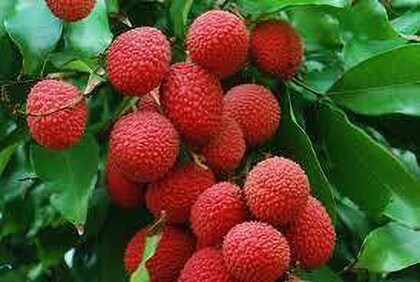
Close your eyes. Imagine the juiciest, most perfect litchi. Now, infuse it with the delicate, intoxicating fragrance of a damask rose. Open your eyes. You’ve just envisioned one of nature’s most exquisite collaborations—the Rose Scented Litchi.
In the grand court of Litchi royalty, we have the powerful Emperor (Shahi) and the dependable Queen (China). But every court needs an artist—a creator who appeals not just to the palate, but to the very soul. This is the Aromatic Artist, a variety that doesn’t just satisfy your hunger; it performs a symphony for your senses.
The Artist’s Gallery: A Study in Fragrant Varieties
The “Rose Scented” trait is a special characteristic that can be found in a few cultivars, most notably the Dehradun Lychee from the foothills of the Himalayas. This isn’t a fruit bred in a lab; it’s a masterpiece painted by nature itself, using the unique terroir of its homeland.
- Dehradun Litchi (The Masterpiece): Hailing from the misty hills of Uttarakhand, India, this is the most famous rose-scented variety. It’s often smaller than its Bihar cousins, with a somewhat irregular shape and a skin that blushes a modest orange-red rather than a bold crimson. But its unassuming appearance is a deliberate ruse. It holds its secret within.
- Other Regional Artists: In other parts of the litchi-growing world, you might find local varieties that carry a hint of this floral magic. They are the hidden gems of local markets, where the scent is the true marker of quality, not the size or colour.
The Artist’s Palette of Wellness: Health Benefits with a Fragrant Twist
Eating a rose-scented litchi is a holistic wellness experience. The benefits go beyond the physical, touching the mind and spirit.
- The Aromatherapy Snack: This is its superpower. The primary aromatic compound in these litchis is Geraniol, the same compound found in roses and used in aromatherapy for its calming, mood-enhancing effects. The simple act of peeling and eating one can lower stress and anxiety, turning your snack break into a mindful moment of bliss.
- A Heart-Soothing Elixir: While all litchis are good for the heart due to their potassium content, the Rose Scented variety offers a double benefit. The calming effect of its aroma can help lower stress-induced blood pressure, making it a true heart-soother in both a physical and emotional sense.
- A Double Dose of Antioxidants: You get the powerful, immune-boosting Vitamin C and polyphenols from the litchi flesh, combined with the anti-inflammatory and antioxidant properties associated with rose compounds. It’s a synergistic effect that fights free radicals with elegance and power.
- A Digestive Muse: The fragrance doesn’t just please the nose. In traditional practices, the scent of rose is known to stimulate digestion by triggering the production of digestive enzymes. Before the first bite even touches your stomach, your body is already preparing for a happy digestion.
- The Skin’s Perfect Toner: Imagine a skincare routine you can eat. The high Vitamin C promotes collagen for firmness, while the anti-inflammatory properties of the rose compounds can help soothe skin irritations and promote a clear, calm complexion from within.
The Farmer’s Cultivated Canvas: Growing a Luxury Experience
For a farmer, growing the Rose Scented litchi is not about volume; it’s about value. It’s about moving from commodity farming to creating a luxury, artisanal product.
- The Geographical Indication (GI) Advantage: The most famous rose-scented litchi, the Dehradun Litchi, has a GI tag. This is like a patent from nature. It certifies that this unique product can only come from a specific region. For a farmer, this is a powerful marketing tool that guarantees authenticity and allows them to command a significant price premium, much like a winemaker from a renowned vineyard.
- The Boutique & Niche Market: This litchi is not for the bulk market. Its target audience is discerning consumers, high-end hotels, gourmet restaurants, and speciality food stores. These buyers are not looking for the cheapest fruit; they are looking for the best and most unique experience, and they are willing to pay for it.
- The “Experience” Economy: Farmers can sell a story, not just a fruit. Marketing should focus on the “Himalayan Terroir,” the “Artisanal Harvest,” and the “Sensory Experience.” Selling directly to consumers through farm-to-table websites or curated gift boxes during the festive season can dramatically increase profitability.
- Value Addition is an Art Form: The unique flavour profile of this litchi opens up exquisite value-addition avenues:
- Gourmet Jams and Preserves: Rose-scented litchi jam is a delicacy that can be sold for a high price.
- Artisanal Litchi & Rose Honey: A blend of litchi honey (from bees that pollinate the orchards) with a touch of rose essence is a premium product.
- Signature Perfumes & Cosmetics: The essence can be captured for use in natural perfumes, soaps, and lotions, tapping into the lucrative natural cosmetics market.
- Fine Liqueurs and Syrups: High-end distilleries and mixologists seek out such unique flavours for creating signature cocktails and liqueurs.
A Farmer’s Reflection: Cultivating the Aromatic Artist requires patience and care. It often thrives in specific microclimates and may have a lower yield than commercial varieties. The focus must be on quality over quantity, organic practices to preserve the delicate flavour profile, and building a brand that tells this beautiful story.
The Final Note
The Rose Scented Litchi is a reminder that food is more than fuel. It is art, it is memory, it is therapy. It’s for those moments when you want to slow down, close your eyes, and truly savour.
In a world of loud flavours, it is a quiet, fragrant whisper of pure elegance. Seek it out, and let the Aromatic Artist paint your summer with the colours of joy and the scent of roses.
Have you ever tasted a rose-scented litchi? What was the most fragrant fruit you’ve ever experienced? Share your sensory stories below!