
I have a core memory from a trip to Himachal a few years back: biting into an apple so crisp and flavourful it tasted like sunshine and mountain air. The farmer, a gentle man with weathered hands, simply said, “This is how fruit is supposed to taste. No tricks, just good earth.” That sentiment, it turns out, is spreading like wildfire across Northern India.
We’ve long known this region as the country’s agricultural heartland. But something new is sprouting alongside the classic wheat and rice. A genuine organic fruit revolution is taking root, from the terraced hillsides to the sprawling plains. So, why here? Why now? Let’s peel back the layers.
It All Starts with the Land: Nature’s Own Gift
You can’t force organic farming. It has to feel at home. And for Northern India, the fit is just perfect.
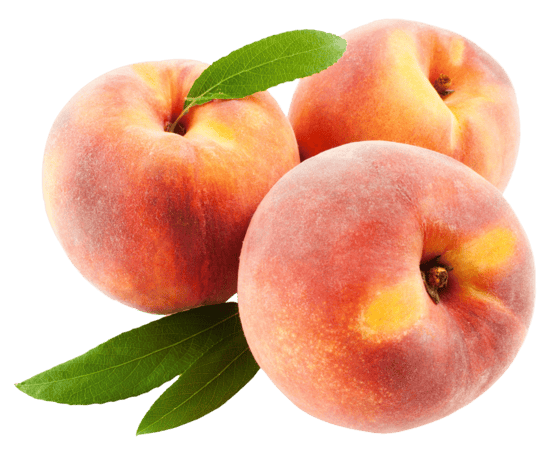
- The Hills are Alive (with Fruit!): Places like Uttarakhand and Himachal are a fruit-grower’s dream. The cool nights, hot days, and clean, thin air at high altitudes are like a natural super-food for apples, cherries, and peaches. The fruit ripens slowly, developing a complexity of flavour and a natural sweetness that’s hard to beat. It’s not just farming; it’s a partnership with the mountains.
- The Plains’ Surprising Bounty: Don’t think the magic is only in the hills. The fertile plains of Punjab, Haryana, and UP are getting in on the action. The shift is conscious and powerful. Farmers are turning plots famous for kinnow and guavas into chemical-free zones. The rich alluvial soil, when nurtured with organic matter, bounces back with a vengeance, producing some of the most vibrant and juicy fruits you’ll ever taste.
- Water from the Source: This is a big one. While many farming regions worry about water contamination, a lot of the irrigation up in the hills comes straight from glacial streams and natural springs. It’s water in its purest form, untouched by industry, giving the fruit a clean start.
The Human Touch: Farmers, Families, and a Little Help
Nature set the stage, but the farmers are the stars of this show. And thankfully, they’re finally getting some solid backing.
I spoke to a young farmer in Uttarakhand (well, I read about him, but it feels like I spoke to him!) who explained the biggest hurdle: the three-year “transition period.” This is when you stop using chemicals but don’t yet have the official organic certification to command higher prices. It’s a leap of faith.
This is where government schemes have become a game-changer. They’re not just pieces of paper; they’re practical lifelines:
- A Community Effort: Schemes like Paramparagat Krishi Vikas Yojana (PKVY) encourage farmers to form groups or clusters. There’s strength in numbers. They learn from each other, share resources like compost units, and get certified together, which cuts costs and red tape. It’s bringing back a sense of community farming.
- Real Money for Real Change: The financial help—for things like setting up vermicompost pits or buying organic seeds—makes that risky transition period possible. It’s an acknowledgement that going organic is an investment, and they’re helping farmers make it.
- The Trust Factor: The Jaivik Bharat portal and its QR codes are genius. I used one the other day on a bag of organic apples from Himachal. Scanning it and seeing the farm’s details felt like a direct handshake with the grower. It builds a trust that’s so often missing from our food.
The Real Payoff: More Than Just a Trend
So, what does all this mean for you and me?
Well, it means we’re starting to see a real choice. It’s not just about buying the shiniest apple anymore; it’s about buying an apple you can feel good about. For the farmers, it means better incomes and the pride of producing something healthy. For the land, it’s a chance to heal.
The next time you’re at a market and see a box of peaches labelled “Organic from Himachal” or some gorgeous “Uttarakhand Organic” apricots, you’ll know the story behind them. It’s a story of perfect geography, determined people, and a supportive push that’s turning Northern India into the place for honest, delicious fruit.