
In any great story, there are the headline stars, the beloved classics, and the intense artists. But behind them, there’s often a quiet, unassuming character whose subtle strengths are the glue that holds everything together. In the world of pomegranates, that role is beautifully filled by Mridula, The Delicate One.
The name ‘Mridula’ itself means “soft,” “gentle,” and “delicate” in Sanskrit, and this variety embodies these qualities perfectly. It doesn’t have the bold, ruby-red armour of Bhagwa or the deep, intense passion of Arakta. Instead, Mridula is the subtle, sweet, and incredibly juicy pomegranate that plays a crucial role in the ecosystem of this superfruit.
Let’s take a moment to appreciate the quiet contender and discover why its gentle nature is its greatest strength.
The Pomegranate Family: Mridula’s Supportive Role
To understand Mridula, we need to see where it fits in the vibrant pomegranate palette.
- Bhagwa (The Superstar): The export king. Bold colour, very sweet, and hard to miss.
- Ganesh (The Gentle Giant): The nostalgic, sweet classic, beloved by many.
- Arakta (The Deep & Intense): The antioxidant powerhouse with a complex flavour.
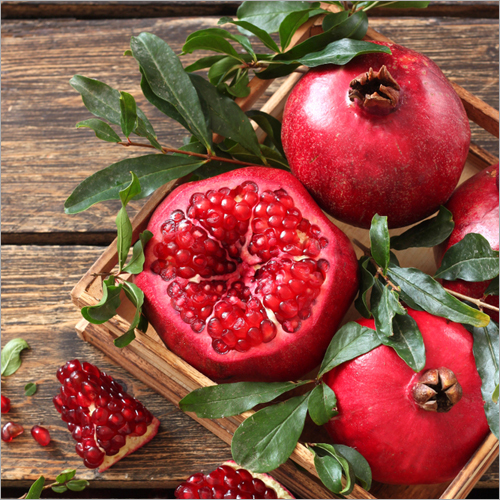
- Mridula (The Delicate One): The juice specialist. With its thin, light-red skin and incredibly soft, deep-red arils, Mridula is bred for one thing above all else: yielding a river of sweet, delicious juice.
What Makes Mridula So “Delicate”?
- A Tender Touch: Its skin is thinner and more delicate than other commercial varieties. This makes it more susceptible to transport damage but also a dream to cut open.
- Burst-in-Your-Mouth Arils: The arils are exceptionally soft and juicy. They lack the hard seed crunch of Ganesh, offering a almost melt-in-the-mouth experience.
- A Subdued Beauty: Its exterior is often a lighter red with a yellowish blush, not demanding attention but promising a sweet surprise within.
A Gentle Wave of Wellness: Mridula’s Health Benefits
Don’t let its delicate nature fool you. Mridula is every bit a nutritional powerhouse, offering its health benefits in a uniquely accessible, liquid form.
- Hydration, Amplified: Mridula is arguably the juiciest of the bunch. It’s nature’s perfect electrolyte drink, providing deep hydration along with a suite of vitamins and minerals, making it perfect for hot climates or post-workout recovery.
- A Heart-Friendly Elixir: Like its cousins, it is rich in heart-healthy antioxidants. The ease of consuming a glass of fresh Mridula juice makes it simple to get a daily dose of cardio-protective compounds.
- Gentle on the Stomach: Its soft arils and easily digestible juice make it an excellent choice for children, the elderly, or anyone with digestive sensitivities who might struggle with harder seeds.
- Skin’s Best Friend: The high water content, combined with Vitamin C and antioxidants, helps keep the skin hydrated, flushed of toxins, and glowing from the inside out.
- Rapid Nutrient Absorption: Drinking Mridula juice allows for quick absorption of its nutrients into the bloodstream, providing an almost immediate boost of energy and vitality.
The Farmer’s Strategic Choice: The Economics of Growing Mridula
While a farmer might not choose Mridula for the high-stakes export market, it represents a smart, strategic, and often more accessible cultivation option.
- The King of Juice Yield: This is Mridula’s primary advantage. For the processing industry—juice, syrup, concentrate, and molasses (anardana)—Mridula is a top-tier choice. Its high juice content and easy extraction translate directly to higher profits for juice manufacturers, creating a steady and reliable demand for farmers.
- Consistent and Reliable Performer: Mridula is known for its good and consistent yield. It is a hardy plant in its own right, often showing good resistance to climatic variations, providing a dependable harvest for the farmer.
- Lower Input Costs, Smart Margins: Because it is primarily grown for processing, the focus is less on achieving blemish-free, perfect-looking fruit for the fresh fruit market. This can reduce the costs associated with ultra-precise pest management and delicate harvesting, improving the farmer’s profit margin.
- A Perfect “Mix” Crop: Many savvy farmers grow Mridula alongside Bhagwa or Arakta. They can send their top-tier, perfect-looking Bhagwa fruits to the high-value export market and divert the slightly less perfect ones, along with their Mridula harvest, to the equally hungry processing industry. This diversifies their income streams and minimises waste.
A Note for Cultivators: Growing Mridula requires care, particularly during harvesting and handling due to its thin skin. However, its cultivation is generally less stressful than the high-maintenance demands of Arakta. It represents a balanced choice—less financial risk than the premium varieties, but with a guaranteed market in the massive juice industry.
The Final Peel: In Praise of the Quiet One
Choosing Mridula is a choice for pure, unadulterated taste and nourishment. It may not be the one that wins all the beauty contests, but it’s the one that fills your glass with the most effortless sweetness.
It’s a win for you, offering an incredibly easy and delicious way to consume pomegranate goodness, especially as a juice. It’s a win for the pragmatic farmer, providing a lower-risk, high-yield crop with a solid and dependable buyer in the processing sector. And it’s a win for our culinary landscape, ensuring that the base of many of our favourite pomegranate products is of the highest, sweetest quality.
So, the next time you enjoy a glass of rich, scarlet pomegranate juice, or taste the sweet tang of anardana in your cooking, remember the delicate, generous fruit that made it possible. Give a quiet thanks to Mridula, the unsung juicy hero of the pomegranate world.